
If you’re new to stitching, it’s completely normal to wonder what the difference is between needlepoint, cross stitch, and embroidery. They’re often grouped together—but they are very different crafts, with different tools, learning curves, and finished results.
What is the difference between Needlepoint, Cross Stitch, and Embroidery?
Needlepoint, cross stitch, and embroidery are all needle crafts, but they differ in fabric, stitch style, and finished result.
-
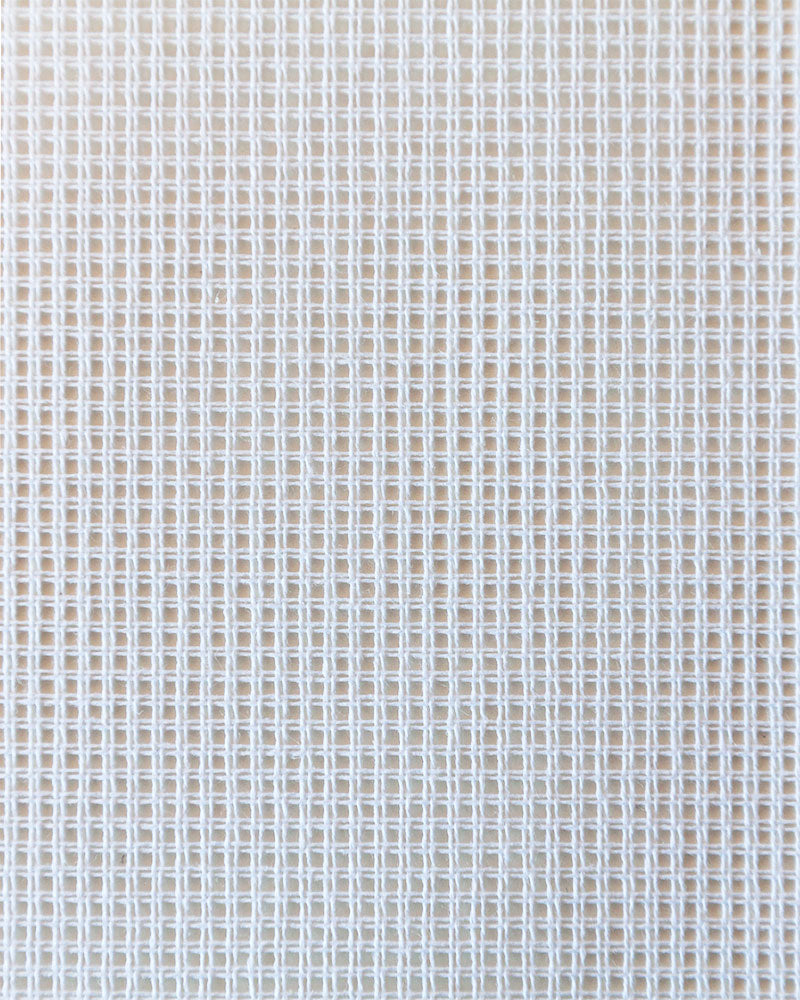
Needlepoint is stitched on stiff canvas and completely covers the surface with thread or yarn, creating durable pieces like pillows, ornaments, and décor.
-
Cross stitch uses X-shaped stitches on grid-based fabric (like Aida) and usually leaves some fabric visible, making it ideal for framed designs and samplers.
-
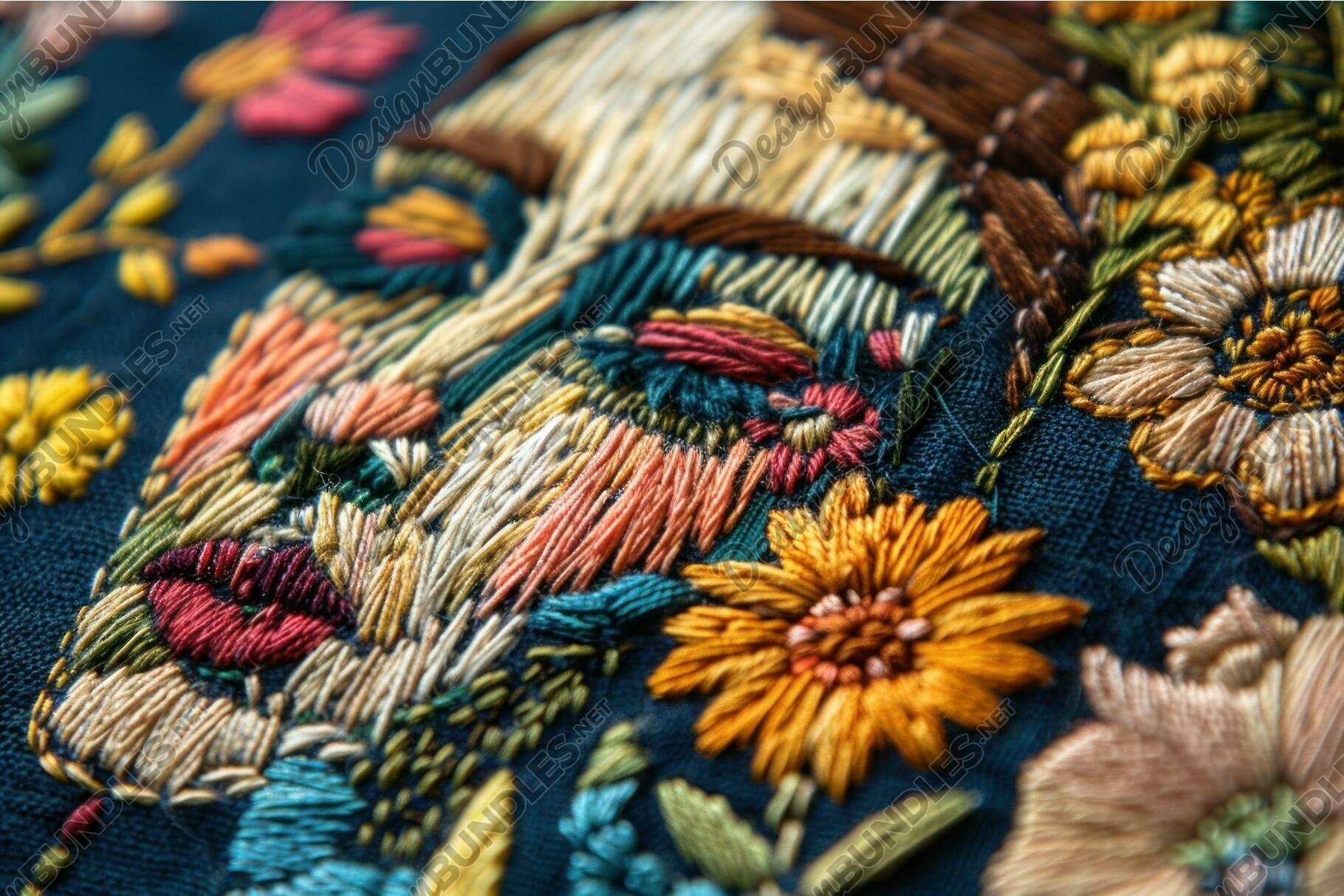
Embroidery is stitched freely on fabric without a grid, using many stitch types for decorative or artistic designs, including clothing and hoop art.
In short:
Needlepoint is structured and durable, cross stitch is pattern-based and repetitive, and embroidery is freeform and creative.
This detailed guide breaks down needlepoint vs cross stitch vs embroidery so you can confidently choose the craft that best fits your goals, skill level, and style.
At-a-Glance Comparison

| Feature | Needlepoint | Cross Stitch | Embroidery |
|---|---|---|---|
| Base material | Stiff canvas | Aida or linen | Any fabric |
| Stitch style | Many decorative stitches | X-shaped stitches | Freeform |
| Coverage | Full canvas | Partial | Partial |
| Difficulty | Beginner-friendly | Beginner-friendly | Varies |
| Design style | Structured | Pattern-based | Artistic |
| Common finishes | Pillows, belts, décor | Framed art | Clothing, hoops |
What Is Needlepoint?
Needlepoint is a counted-thread craft worked on a rigid, open-weave canvas. Stitches completely cover the canvas, creating a dense, durable surface.
Key Characteristics
-
Canvas holes guide every stitch
-
Uses wool, cotton, or specialty fibers
-
Finished pieces are often functional (pillows, ornaments, accessories)
Why Beginners Like Needlepoint
-
The canvas structure makes spacing easy
-
Mistakes are easier to spot and fix
-
Very forgiving for tension and alignment
Needlepoint is often described as painting with thread because the canvas acts as a grid and the stitches fill it completely.
👉 Explore our handmade needle minders here:
Poppy & Patch – Needle Minders Collection

What Is Cross Stitch?
Cross stitch is a form of counted embroidery that uses X-shaped stitches worked over a grid-based fabric such as Aida or linen.
Key Characteristics
-
One primary stitch (the “X”)
-
Patterns are charted with symbols
-
Canvas or fabric remains visible between stitches
Why People Choose Cross Stitch
-
Very predictable and pattern-driven
-
Great for relaxing, repetitive stitching
-
Ideal for framed artwork and samplers
Many beginners use threads from DMC, which are commonly associated with cross stitch charts and kits.
What Is Embroidery?
Embroidery is the broadest category—it includes any decorative stitching done on fabric using a needle and thread.
Key Characteristics
-
No grid or counting required
-
Dozens of stitch types (satin, stem, French knots, etc.)
-
Highly creative and freeform
Why People Love Embroidery
-
Maximum artistic freedom
-
Ideal for clothing, personalization, and modern art
-
Endless stitch combinations
Embroidery can be beginner-friendly or advanced, depending on the stitches and design complexity.
Learning Curve: Which Is Easiest?
| Craft | Learning Experience |
|---|---|
| Needlepoint | Structured and forgiving |
| Cross Stitch | Simple but chart-focused |
| Embroidery | Flexible but technique-heavy |
Fastest confidence boost: Needlepoint
Most meditative: Cross stitch
Most creative freedom: Embroidery
Beginners who like structure tend to prefer needlepoint or cross stitch, while creative experimenters often gravitate toward embroidery.
Tools & Setup Differences
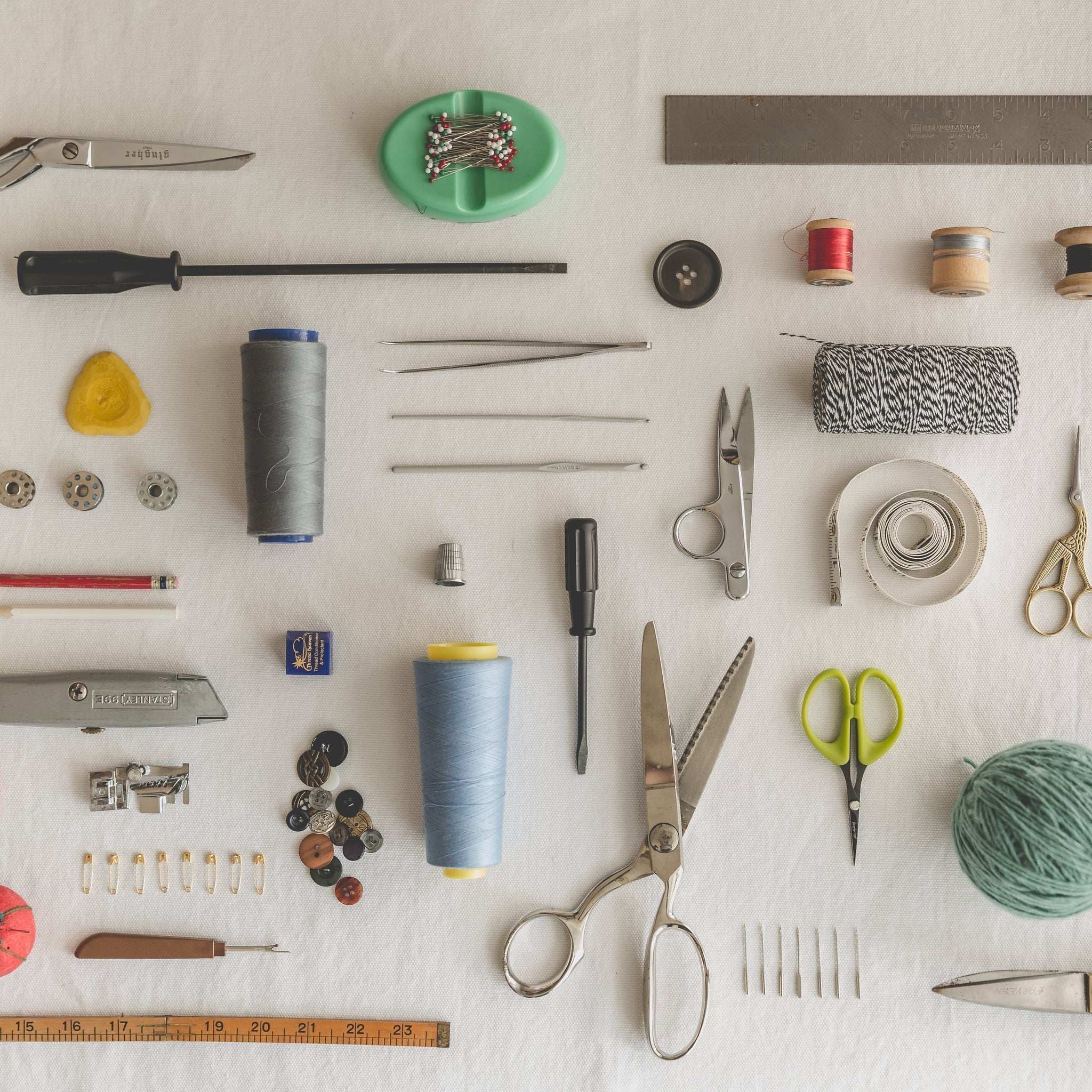

Needlepoint Tools
-
Canvas
-
Tapestry needle (blunt)
-
Yarn or fiber
-
Optional frame or hoop
-
Needle minder (very common)
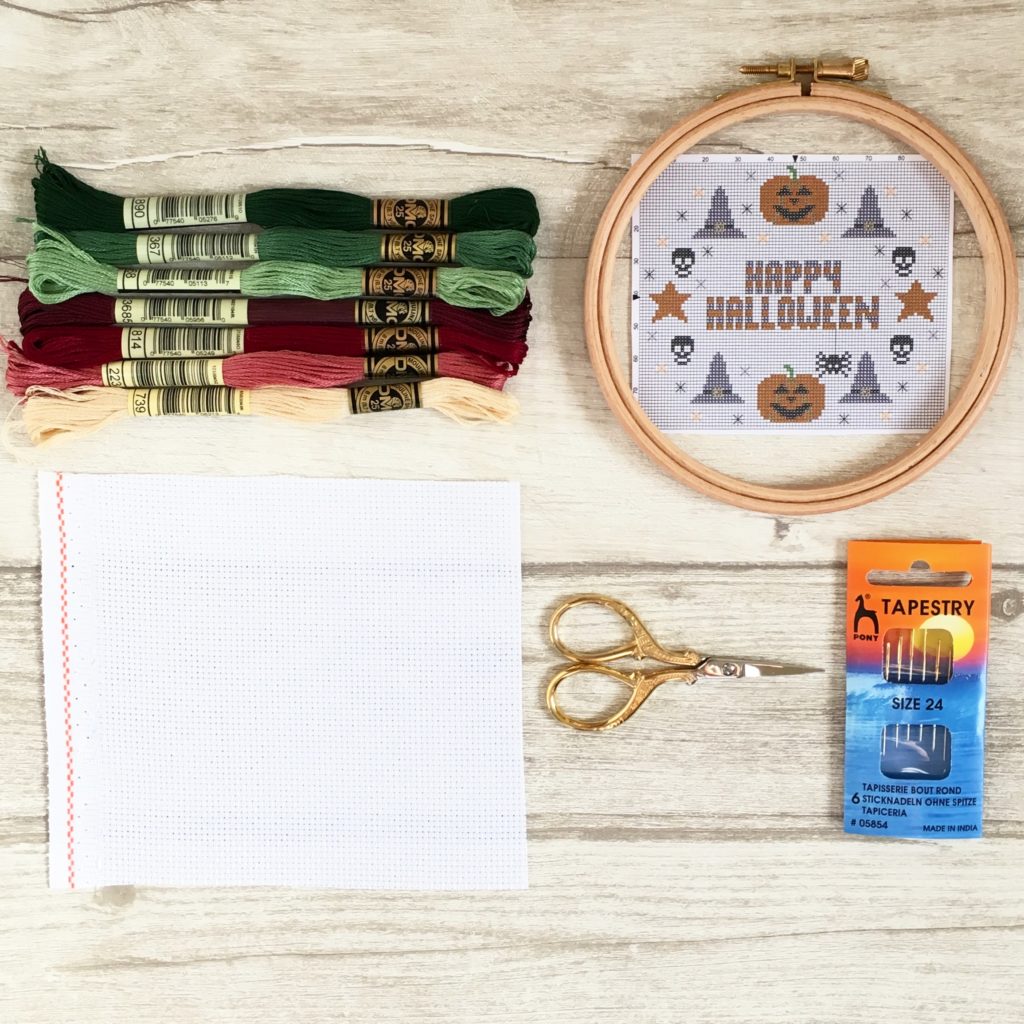
Cross Stitch Tools
-
Aida or linen fabric
-
Embroidery needle
-
Floss
-
Hoop
-
Pattern chart
Embroidery Tools
-
Fabric
-
Embroidery needles
-
Floss or thread
-
Hoop
-
Transfer method (patterns, tracing, or freehand)
Finished Results & Durability
One of the biggest differences is what you end up with.
-
Needlepoint → durable, padded, often used in home décor
-
Cross stitch → framed art, keepsakes
-
Embroidery → wearable or decorative textiles
If you want something functional and long-lasting, needlepoint usually wins.
Which Should You Choose?
Choose needlepoint if you:
-
Want structure and guidance
-
Prefer bold, durable results
-
Like home décor projects
Choose cross stitch if you:
-
Enjoy patterns and repetition
-
Want a calm, predictable process
-
Like framed artwork
Choose embroidery if you:
-
Want creative freedom
-
Enjoy learning many stitches
-
Want to embellish clothing or fabric
Final Thoughts
Needlepoint vs cross stitch vs embroidery isn’t about which is “better”—it’s about which matches your personality and goals.
Many stitchers eventually try all three, but for beginners:
-
Needlepoint offers the most structure
-
Cross stitch offers simplicity
-
Embroidery offers creativity
0 comments