

Needlepoint is one of the most relaxing and beginner-friendly fiber arts you can learn. If you’ve ever wondered how to start needlepoint, what supplies you actually need, or whether it’s easier than embroidery or cross stitch, this guide is for you.
This needlepoint for absolute beginners tutorial walks you through everything step by step—no experience required.
What Is Needlepoint? (And Why It’s Beginner-Friendly)
Needlepoint is a type of hand embroidery worked on stiff, open-grid canvas using a blunt tapestry needle and thread. Unlike cross stitch, needlepoint doesn’t require counting tiny fabric threads, and unlike embroidery, it uses a structured canvas that keeps your stitches even.
Why beginners love needlepoint:
-
Easy to see the holes in the canvas
-
Very forgiving of mistakes
-
Durable finished projects
-
Repetitive stitching that’s relaxing

Needlepoint Supplies You Actually Need (No Overbuying)
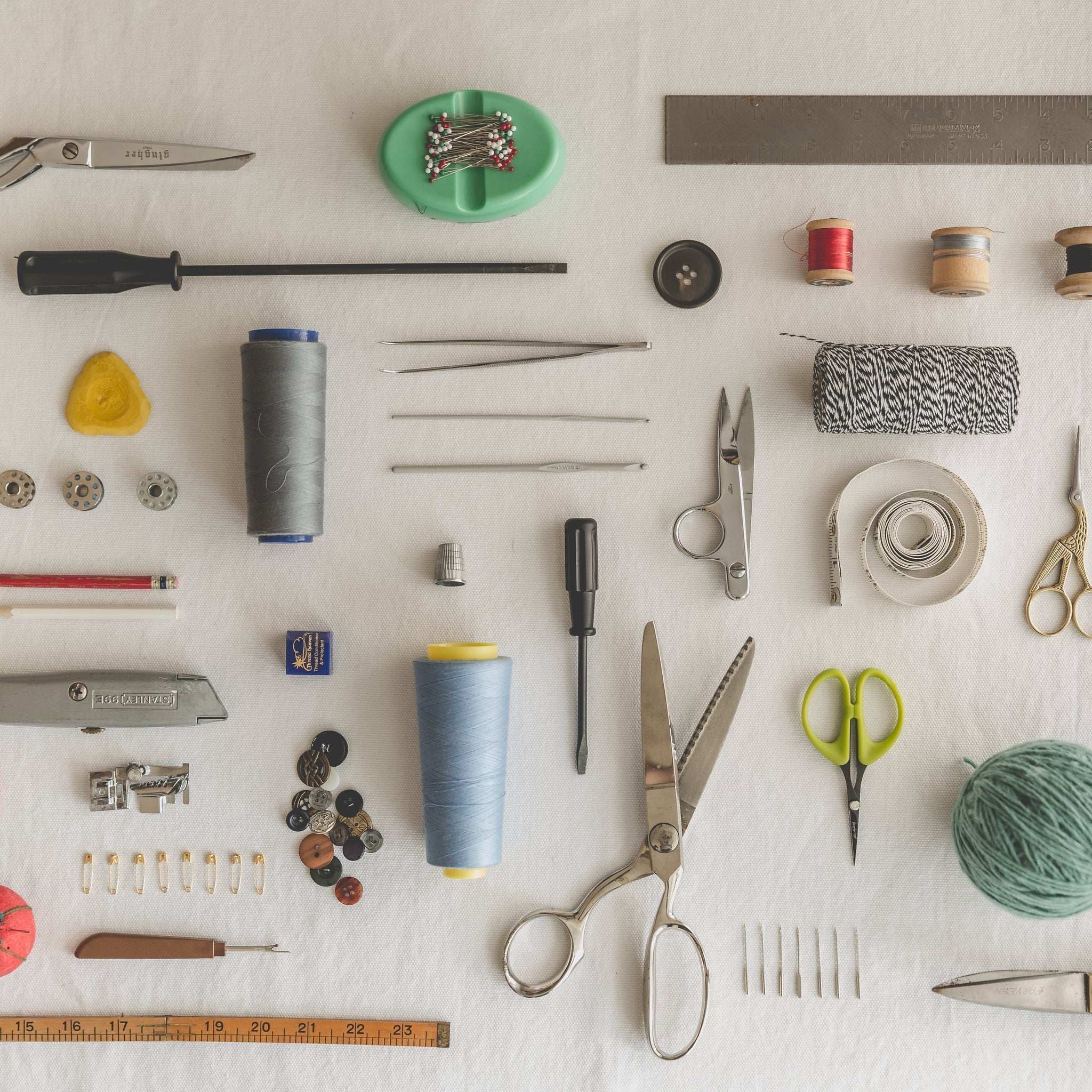
You don’t need a huge supply stash to start needlepoint. Here’s what absolute beginners should focus on.
1. Needlepoint Canvas
-
Mono canvas is best for beginners
-
Start with 13-mesh (larger holes = easier stitching)
2. Needles
-
Use a tapestry needle (blunt tip)
-
Size 22 or 24 works well for beginners
3. Thread
-
Wool thread is the easiest to control
-
Cotton is fine, but less forgiving
4. Scissors
-
Any sharp craft scissors will work
Optional (but not required):
-
Embroidery hoop (many needlepoint projects don’t need one)
-
Needle threader (helpful if you struggle with threading)
How to Thread a Needle and Start Stitching
Cut a piece of thread about 18–20 inches long. Longer threads tend to tangle and fray.
Thread your tapestry needle and leave a short tail—do not tie a knot. Most needlepoint projects start by stitching over the thread tail on the back of the canvas to secure it.
Beginner tip:
Start stitching in the center of the canvas if you’re working from a pattern. This keeps your design balanced.

The First Stitch Every Beginner Should Learn: Tent Stitch
The tent stitch is the foundation of needlepoint and the best stitch for beginners.
It’s a simple diagonal stitch that covers the canvas evenly and works for almost every design.
Types of tent stitch:
-
Continental stitch – easiest to learn
-
Basketweave stitch – stronger and prevents canvas distortion
Most beginners start with continental stitch and move to basketweave later.
Common beginner mistakes:
-
Pulling stitches too tight
-
Switching stitch direction mid-project
-
Skipping holes accidentally

Easy First Needlepoint Projects for Beginners
Starting small is the secret to success.
Best beginner needlepoint projects:
-
Bookmarks
-
Christmas ornaments
-
Coasters
-
Keychains
-
Small wall art pieces
Avoid pillows or large canvases at first—they can feel overwhelming.

How to Finish Needlepoint (Beginner Options)
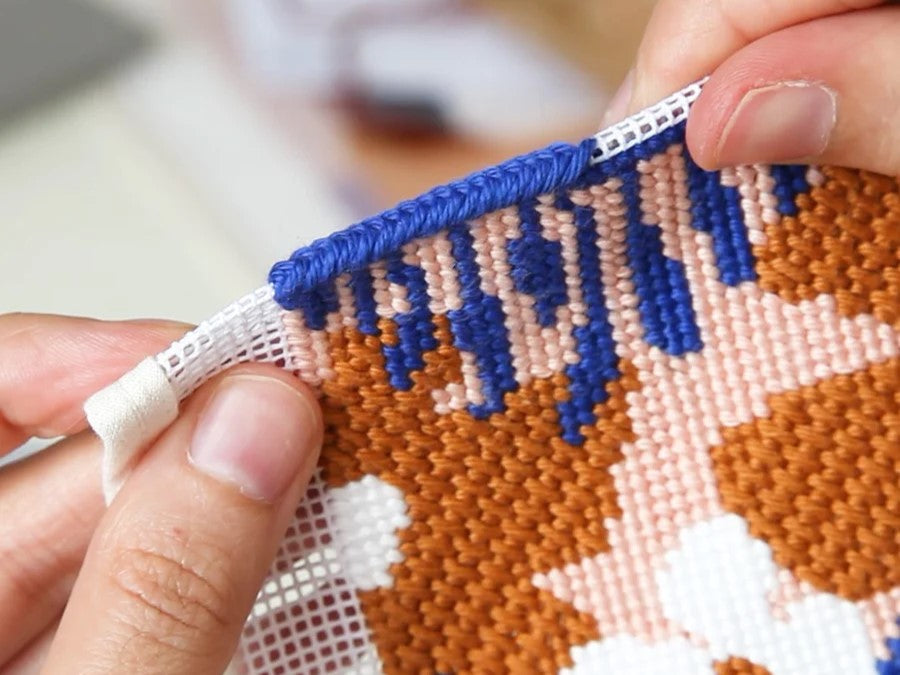
Once your stitching is done, your project needs to be finished so it doesn’t fray.
Beginner-friendly finishing methods:
-
Folded and stitched edges
-
Iron-on backing fabric
-
Simple framing
-
Turning small pieces into ornaments
Professional finishing is great, but not required for your first projects.
Common Needlepoint Mistakes Beginners Make
Everyone makes mistakes when learning needlepoint—here’s how to avoid the most common ones.
-
Pulling stitches too tight (causes warped canvas)
-
Starting with tiny mesh canvas
-
Using thread that’s too thin
-
Not taking breaks (hand fatigue is real)
Needlepoint should feel relaxing, not frustrating.

How Long Does Needlepoint Take?
Needlepoint is not a fast craft—and that’s part of its charm.
A small beginner project may take:
-
5–10 hours total
-
Short daily sessions work best
Progress feels slow at first, but speed increases naturally as you gain confidence.

What to Do After Your First Needlepoint Project
Once you’ve finished your first piece, you can:
-
Try printed needlepoint patterns
-
Experiment with new stitches
-
Move to slightly larger designs
-
Explore modern or minimalist needlepoint styles
Needlepoint is a skill you build gradually—there’s no rush.

Final Thoughts: Needlepoint Is for Everyone
Needlepoint doesn’t require artistic talent—just patience and curiosity. With the right supplies and simple projects, absolute beginners can succeed quickly.
Start small, stitch slowly, and enjoy the process.
0 comments